

The New Dental Treatments & Changes to Know About According to London Dentist
Like the rise in the facial aesthetics market, which will account for a market valuation of £11.7 billion by 2026, cosmetic dentistry is now catching up. By this point, almost everyone in the UK has switched to cosmetic dentistry; whether it’s treatments like teeth whitening or bonding, they’ve sought to make small changes or even transform their entire smiles using veneers.
40% of patients in the UK admitted to having some form of cosmetic density, with one under 35 having had a cosmetic procedure in the last year and a whopping 53% of those under 35 having some form of advanced cosmetic dental treatment at some stage too. Source.
But what treatments do patients want now? What’s new, minimally invasive and exciting? For the teeth trends to explore, leading London dentist Dr Raj Patel, Principal Dentist of Mint Dental Clinic in Elephant & Castle, shares some of the latest…

Minimally invasive treatments now account for 40% of all cosmetic work
Instead of hating their natural smile entirely, many patients are now looking to make natural changes and tweaks to their smiles instead of completely overhauling them.
Old types of cosmetic dentistry, which use dental crowns like we now use veneers, made cosmetic treatments very invasive and damaging to your natural smile. Even placing porcelain veneers meant we had to remove some enamel, meaning the changes to your smile were permanent. But we don’t have to do that now to improve your smile.
With advancements in technology and materials, dentists and patients have moved on to less invasive treatments that keep the underlying smile intact. Composite veneers and composite bonding, for example, can do exactly that.
It also helps that these treatments are the most affordable cosmetic procedures, costing far less than traditional methods. This makes them more accessible to a larger class of patients and thus dictates a new dental trend.
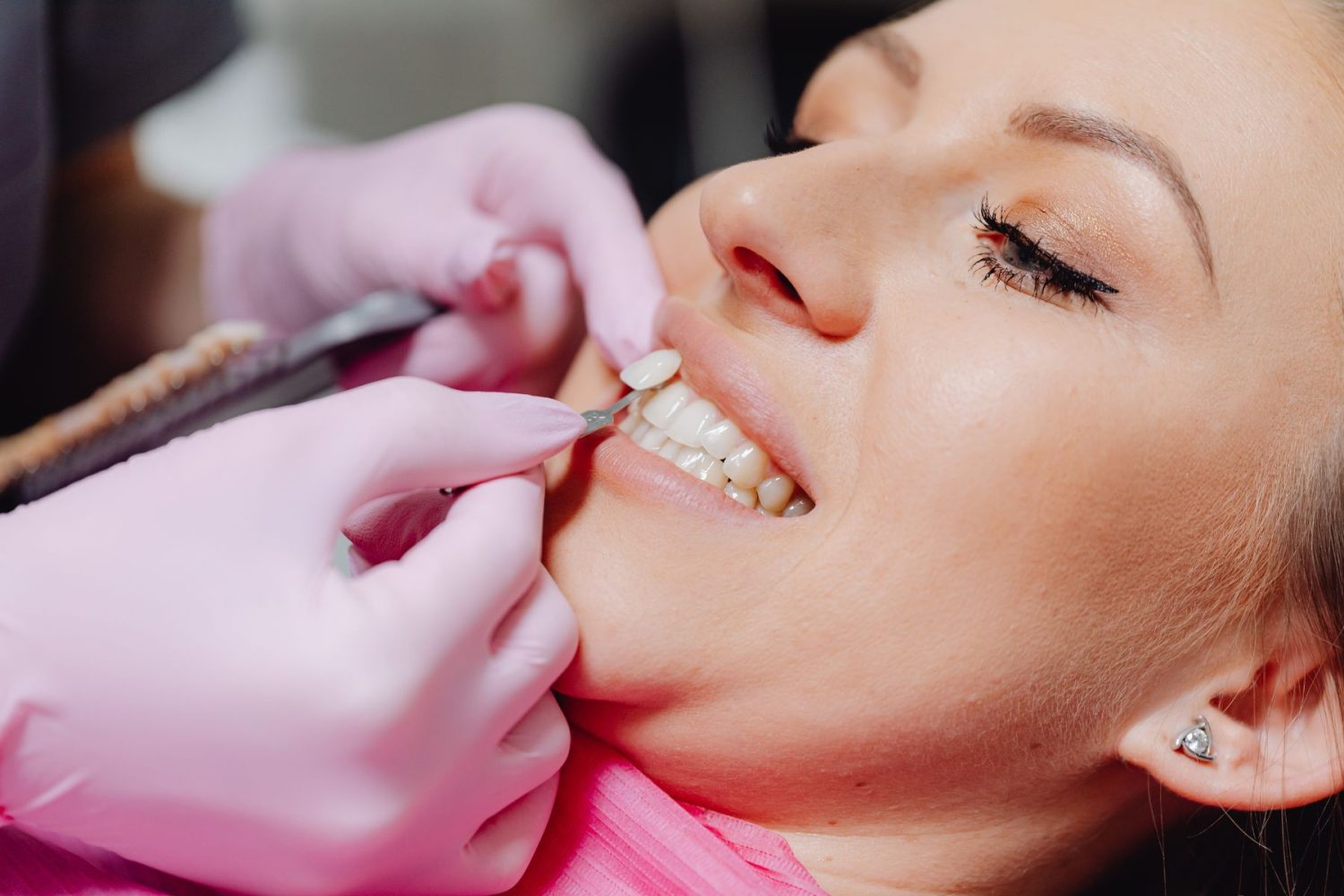
The anti-Hollywood smile
We’ve all seen how Turkey teeth look, and a blindingly white, unnatural American smile feels fake and less perfect to us Brits. Hence, the shift away from Hollywood smiles to a more natural look. Once, veneered-looking teeth were a status symbol, but now, as more patients have fled abroad to Turkey, mimicking this look, it’s no longer a symbol of status.
Still, rather the opposite, leading patients to shift their aesthetics and opt for less invasive treatments to improve aspects of their smile rather than the entire thing.
Today’s cosmetic dentistry is less about standing out and more about enhancing what’s already there.
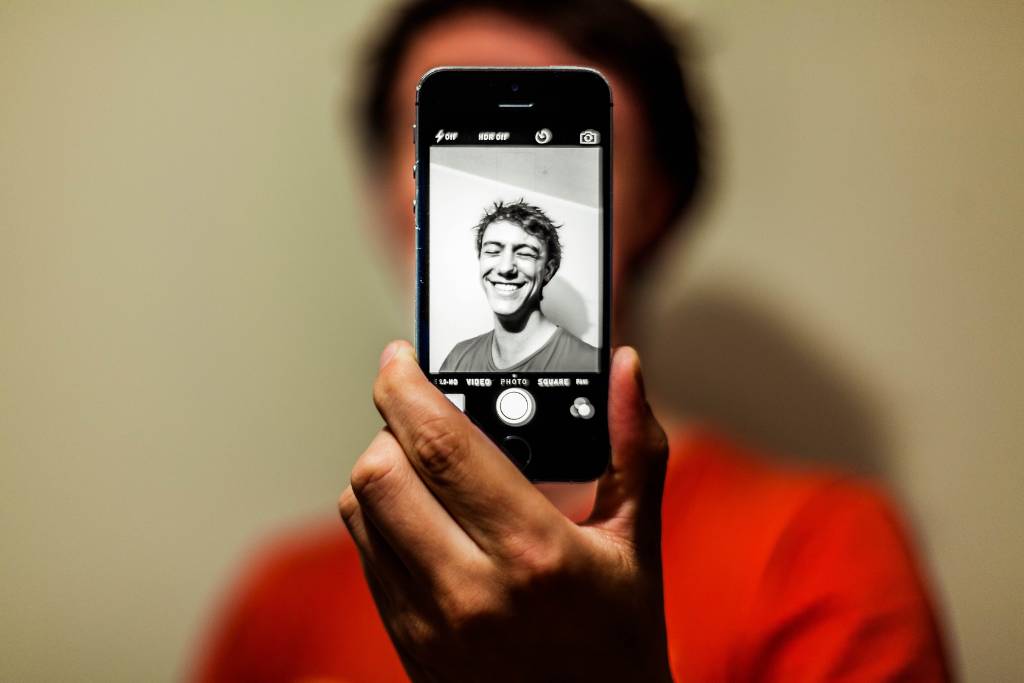
Dentistry is becoming more digital
We all have images of the dentist: sterile environments, sharp, scary-looking instruments, staring up at the ceiling and feeling rather uncomfortable. These images and experiences reflect the times. Back then, patients visited the dentist often during the late stages of decay or when the problems had already set in, but not so much as a preventative measure.
Since the pandemic, this has changed, and patients have begun to prioritise their oral health, which has changed the entire experience for patients and dentists.
It means that we, as practitioners, can stop reacting to problems, start preventing them, and create healthier and better-looking smiles. We can do this with technological developments in dentistry, which are transforming the entire industry.
For example, innovative technology like AI and 3D printing makes diagnostics more accurate and faster, from planning to execution.
Using AI, our dentists in London can detect inflammation bite imbalances, discover minute discrepancies and where exactly the point of asymmetry is.
With AI supporting us by marking the parameters and providing digital scans, it leaves more room for us to be artists, where we can spend more time on the craftsmanship and improve the quality of your restorations, making for a much more natural smile.





