

Cost of Dentures
While dentures are one of the cheapest prosthetics to replace missing teeth, they still cost a pretty penny.
Especially if you want one that’s as well-fitted as it can be, the cost of dentures will undoubtedly vary from practice to practice, whether you go private or via the NHS.
However, the price of your dentures will also vary depending on the materials used; for example, plastic acrylic dentures that cover the palate will be cheaper than fixed dentures.

Denture types and costs
If you have partial tooth loss, you’ll need a partial denture, which uses metal clasps on existing teeth to stay in place.
As the denture replaces a few singular teeth, it’s not as expensive.
However, edentulous cases (patients with total tooth loss) will require a complete denture, with costs starting from £700.
See: One Tooth Denture – Material Options.
Free denture consultation
Call us today on 020 7928 4474 to speak with our expert team at Mint Dental Clinic in Elephant & Castle. Get clear, honest advice on the best denture options for you — no pressure, just clarity.

Pay with finance
You can pay for dentures using 0% finance over 12 months or with interest-bearing terms of up to 60 months, allowing you to pay manageable monthly instalments for your treatment.

Fixed denture costs
Dental implants secure a full arch of dentures to the roots of your mouth, allowing for the least movement and optimal comfort. In addition, the palate remains uncovered.
Test if they’re right for you
Discover if fixed dentures are right for you — expert advice, no pressure. You can also book it online by selecting ‘Complementary Implant Consultation’ here. A £25 deposit is required, but it is refundable upon attendance. Or call us on 020 7928 4474.

Additional costs to expect
There are a few additional fees you should expect with dentures.
For example, if you have a few remaining teeth, you may need a tooth extraction, which will typically incur an additional £195 and a maximum charge of £350 if it’s a complex removal.
Another cost you’ll incur with dentures is the regular purchase of adhesives and glues (prices vary by brand).
Other costs:
- Denture repairs: from £189
- Tooth addition: from £249, thereafter £45 per tooth
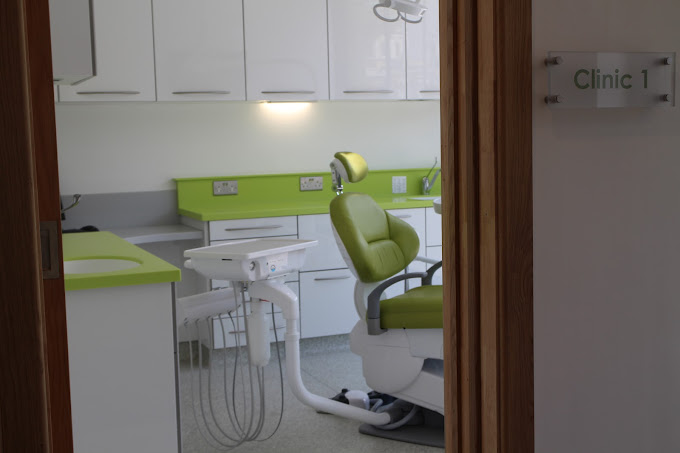
How much do dentures cost on the NHS?
Having dentures fitted via the NHS is a band 3 treatment, typically costing from £319.10.
Dentures will require repair and replacement over their lifetime; full dentures typically last 5-10 years, while partial dentures last 15 years.
NHS dentures are typically made from acrylic and are reportedly bulkier and less comfortable than other private dental options.
NHS dentures are not always made to be aesthetically pleasing, which means they don’t always look as natural, so when you opt to go private, you’re opting for better-made, thinner, more natural-looking alternatives.

Getting dentures through insurance
While packages vary by provider, certain dental insurance plans, such as this AXA plan, cover routine and restorative treatments, including fillings, crowns, and dentures.
It’s worth noting that most insurance plans have a spending cap, which means they likely won’t cover the full cost of your treatment but may cover the cost of less expensive dentures.
Choosing between acrylic dentures and chrome dentures
How Much Do Dentures Cost? The Short Answer
If you want the figure before the detail, this is the shape of it in the UK. These are indicative market ranges rather than our fees, and our own price list is in the tables above.
- Single tooth denture: from around £350
- Partial denture, acrylic: roughly £350 to £900
- Partial denture, flexible nylon: roughly £450 to £1,100
- Partial denture, cobalt chrome: roughly £850 to £1,800
- Full denture, one arch: roughly £700 to £1,800
- Full set, upper and lower: roughly £1,400 to £3,500
- Implant-retained denture, per arch: roughly £4,000 to £12,000
- Fixed full-arch bridge on implants: £12,000 and upwards
The gap between the bottom and the top of that list is not arbitrary. It reflects three things: how many teeth you are replacing, what the base is made of, and whether anything holds the denture in place other than suction.
Full Dentures: Upper, Lower, or Both
A full denture replaces an entire arch. Prices are usually quoted per arch, so a complete set is close to double a single one, and most practices discount slightly when both are made together because the appointments overlap.
Why lower dentures are the difficult ones
Worth knowing before you compare quotes, because it explains a lot of dissatisfaction.
An upper denture covers the palate, and that broad surface creates suction. It holds well. A lower denture has no palate to grip, sits on a narrow horseshoe of ridge, and has your tongue moving underneath it all day. It is simply a harder appliance to keep still.
The cost is usually similar to an upper. The satisfaction often is not. This is why implant retention is recommended for lower arches far more often than upper ones, and why two implants under a lower denture transform it more than four under an upper would.
If you are being quoted for a full lower denture, ask what the plan is if suction alone does not hold it.
Immediate dentures
Fitted the same day your teeth are extracted, so you never go without. Made in advance from impressions taken before the extractions.
They cost broadly what a conventional denture costs, but budget for relines. Gums shrink substantially over three to six months after extractions, so an immediate denture loosens as you heal and needs adjusting, sometimes more than once. Many people then have a definitive denture made once the ridge has settled, which is a second cost rather than a hidden one.
The important part is the timing. An immediate denture has to be planned before the teeth come out. Once they are gone, that option has closed.
Partial Dentures: What Each Material Costs and Why
Where you still have healthy teeth, a partial clips onto them, and the material of the base is the main price driver.
Acrylic is the pink plastic base most people picture. Least expensive, thickest, and the easiest to modify. If you lose another tooth later, one can be added to the existing plate rather than starting again. That matters if your remaining teeth are not certain.
Flexible nylon costs more and buys discretion. The clasps are gum-coloured rather than visible metal, which is why it is the usual choice for front teeth. The trade-off is that it cannot be relined in the same way, so it is generally remade rather than adjusted.
Cobalt chrome is the most expensive and the longest-lasting. A metal framework is far stronger than acrylic, which means it can be made much thinner, so it feels less bulky and interferes less with taste and speech. Best for replacing back teeth that take real chewing force.
Metal dentures: the cost question people actually ask
“Metal denture” almost always means cobalt chrome, and the reaction to the price is usually that it seems high for something smaller than the acrylic version.
The framework is the reason. It is cast to fit your mouth precisely, which takes more laboratory stages and more chairside appointments than pressing an acrylic plate. You are paying for a fit that lasts ten to fifteen years or more, spreads load onto the teeth that can take it, and is thin enough to forget you are wearing.
Against an acrylic denture replaced twice in the same period, the arithmetic is closer than the headline suggests.
Private Versus NHS: What the Extra Buys
The NHS band 3 charge covers dentures made to a standard specification. It is the same charge whether you need one tooth or a full set, which makes it excellent value if you qualify and can wait.
What the private fee buys is not better dentistry so much as more choice and more time. Specifically:
- A choice of base material. NHS dentures are acrylic. Flexible and cobalt chrome are private options.
- More fitting appointments, which is where comfort is won. A denture that has been tried in, adjusted, and tried again fits better than one that has not.
- Tooth shade, shape and set-up chosen with you rather than to a standard.
- Timing. Availability of NHS dental appointments varies considerably by area.
We are a private practice, so we cannot provide NHS treatment. If cost is the deciding factor, an NHS course is worth pursuing where you can access one, and it is a reasonable thing to say to us.
What Dentures Cost Across Ten Years
The single most useful reframing, because dentures are not a one-off purchase.
Lifespans run roughly one to three years for a temporary or immediate denture, five to ten for a well-maintained acrylic, five to seven for flexible, and ten or more for cobalt chrome.
Relines every two to four years are not optional, and are the reason cheap dentures often work out expensive. Your jaw resorbs once the tooth roots are gone, so an appliance that fitted perfectly gradually stops touching in the right places. A reline restores the fit for a fraction of a remake. Skipping them is the commonest reason a denture that should have lasted a decade is scrapped at five years.
Ongoing costs are modest but real: cleaning tablets, occasionally adhesive, and repairs if it is dropped.
Run this properly and an £850 chrome denture relined on schedule frequently costs less per year than a £350 acrylic replaced three times.
Frequently Asked Questions
How much do dentures cost in the UK?
Indicative ranges run from around £350 for a single tooth or a basic acrylic partial to £1,800 for a full arch, and considerably more for implant-retained options. Our own price list is set out in the tables above.
How much do full dentures cost?
Roughly £700 to £1,800 per arch on the private market, so £1,400 to £3,500 for a complete upper and lower set. Material and the number of fitting appointments account for most of the range.
How much do bottom dentures cost?
Similar to an upper denture. The difference is stability rather than price, because a lower has no palate to create suction. Where a lower will not stay put, two implants underneath it make the biggest difference.
How much are partial dentures?
Around £350 to £900 for acrylic, £450 to £1,100 for flexible, and £850 to £1,800 for cobalt chrome. Cost rises with the number of teeth being replaced.
How much do metal dentures cost?
Cobalt chrome partials run roughly £850 to £1,800. They cost more because the framework is individually cast, and they last longer and feel thinner than acrylic as a result.
How much are dentures privately compared with the NHS?
The NHS band 3 charge is fixed regardless of how many teeth are involved. Private fees are higher and buy a choice of material, more fitting appointments, and control over how the teeth look.
How much do permanent or fixed dentures cost?
Implant-retained dentures start around £4,000 per arch, and a fixed full-arch bridge on implants starts around £12,000. The cost is in the implants rather than the denture. See our All-on-4 page.
Can I pay for dentures monthly?
Yes. We offer 0% finance over 12 months and interest-bearing terms up to 60 months, set out above.
How much does it cost to reline a denture?
Considerably less than a remake, which is why relines are worth keeping up. A loose denture usually needs relining, not replacing.
What is the cheapest type of denture?
Acrylic, and a single tooth denture is the cheapest of all at around £350. It is also the easiest to add to later if you lose another tooth.
Talk Through the Numbers in Elephant & Castle
The only way to get your actual figure is an assessment, because how many teeth you have left and the shape of your ridge decide which options are open to you. That takes one appointment and the denture consultation is free.
Call 020 7928 4474 or book online. We are at 3 St George’s Court, Garden Row, London SE1 6HD, minutes from Elephant and Castle, Borough and Waterloo.
For the wider picture, see false teeth costs and options, our dentures overview, or palateless dentures if covering the roof of your mouth is the part you want to avoid.
Market price ranges and lifespans are indicative UK figures from published 2026 cost guides, not our fees. Our fees are in the tables above and are confirmed in writing after assessment. We are a private practice and do not offer NHS treatment. Last reviewed August 2026.





